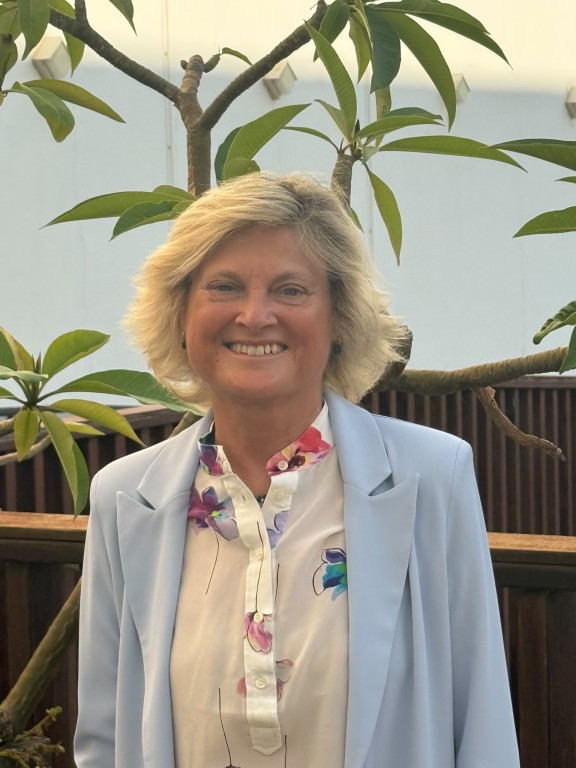
An interview with Shirit Saks Haim, MWU Honorary Secretary, Maccabiah 2026 Education Chair & MWF Co-Founder
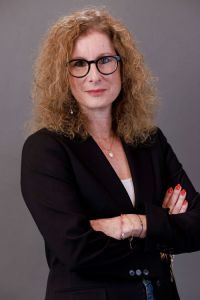
Shirit Saks Haim is an organizational consultant with over 20 years of expertise in strategy, change management, and leadership development. A dedicated member of the Maccabi movement, she serves as the Honorary Secretary of MWU, Chair of the Educational Department for Maccabiah 2026, and co-founder of the MWU Women’s Forum.
1. What is your personal connection to Maccabi? How did your journey with Maccabi begin? What does Maccabi mean to you?
My connection to Maccabi started about 40 years ago, when I joined Maccabi Tzair in Rishon LeZion. What began as a social framework became a central part of my life and identity.
In the youth movement, I was involved in developing educational programs and mentoring teams, and later served as a board member. In 2003, my connection to MWU and the Jewish life deepened through a community shlichut in Miami - four meaningful years working closely with the local community. As a teenager, Maccabi was a place for action, driven by a strong belief in informal education. We were a relatively small movement, but it felt like a family
Today, that family has grown, but it is still a family. For me, Maccabi is a place to make a real impact: strengthening the bond between Israel and Jewish communities worldwide through sport and education. Now more than ever, our work plays a meaningful role in the Jewish world.
2. Tell us a little about yourself and how Maccabi fits into your everyday life?
I am 53 years old, married to Assi - also a Maccabi Tzair graduate - and we have three children. We live in Givatayim. Family and motherhood are central to my life, and I enjoy how my role continues to evolve as my children grow.
Professionally, I work as an independent organizational consultant, which gives me flexibility - I’m very intentional about where I invest my time and energy.
Maccabi is not something separate from my life - it is deeply woven into it. It is not just a commitment but an ongoing choice to stay involved, take responsibility, and contribute where I believe I can make an impact.
3.Where do you think women are still missing within the movement?
Women’s leadership in Maccabi is still not where it should be. While awareness has grown in recent years, representation in key decision-making roles, especially in strategic and financial arenas, remains limited. Historically, women have rarely held the most senior positions.
This is not only about presence, but about influence. Real change will happen when women are not just part of the room but actively shaping decisions and direction. We need to be intentional about this. It will not happen on its own.
4. How can the Maccabi Women's Forum improve the situation?
The Forum was established based on a clear understanding: real change requires intention and consistent action. It does not evolve without effort.
From the very beginning, we understood that this is not just a "women’s issue", but a responsibility of the entire movement, involving both women and men.
Today, the Forum focuses on several key areas to drive real impact:
A. Keeping women’s leadership on the agenda and raising awareness across the movement.
B. Expanding our global network by strengthening local women's forums.
C. Building communities that bring more women into the movement, creating a broader base for future leadership.
D. Strengthening global connection through shared initiatives and ongoing engagement, fostering a sense of belonging and shared purpose.
The goal is not only to increase representation but to build a strong and sustainable foundation for future leadership.
5. What can women gain from being part of a global network like the Maccabi Women's Forum?
One of Maccabi’s greatest strengths is its status as a global, pluralistic movement, with many ways to take part and contribute. The Forum builds on that foundation and makes it more accessible for women.
For many women, the value lies in being part of something larger - a network that offers connection, support, and inspiration across borders.
Unlike many other organizations, participation in the Forum is not tied to fundraising. This allows a much broader and more diverse group of women to take part and lead.
After October 7, this global connection became even more evident, creating a strong sense of solidarity. There is real power when women come together around a shared purpose.
My vision is for women’s leadership to feel natural - with girls, young women, and women simply growing into it.
6. What is your personal belief?
I believe that real change starts from within - with people who choose to take responsibility for the reality they want to create.
It requires clarity, courage, and the ability to stay open and flexible. It also means understanding that we don’t create change alone - it is always a collective effort.
When progress stalls, it is important to pause, reflect, and be willing to see what we might be missing.
7. In which field would you most like to influence and bring about change?
Beyond women’s leadership, I’m deeply committed to developing the next generation of leaders. Our movement is built on volunteers; it's one of its greatest strengths. But in order to sustain it, we need to rethink how we engage and support volunteers, our next lay leaders.
Today’s generation is much more intentional about where they invest their time. They are looking for meaning, connection, and the ability to make a real impact. Our challenge is to redesign the volunteer experience - from recruitment and onboarding, to ongoing support, and a respectful transition out of the role. This is essential for our continuity, relevance, and future leadership.