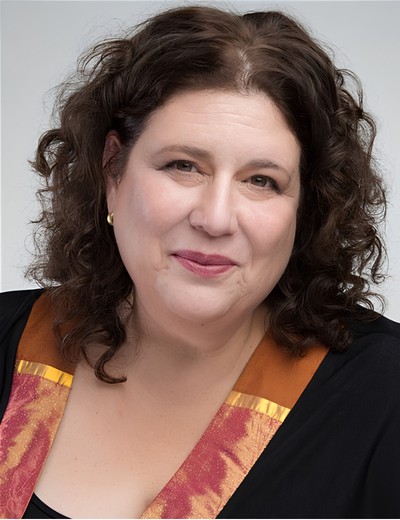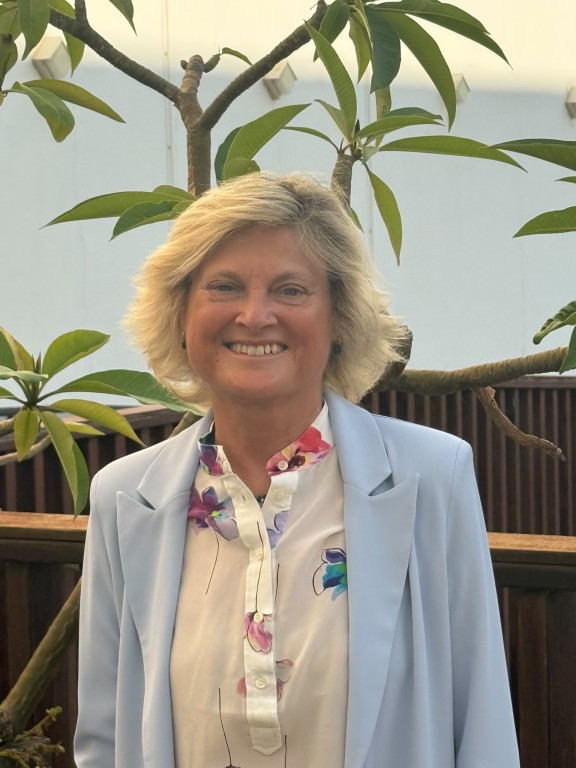
An interview with Verónica Silbergleit, FACCMA Secretary General, AAJRA Board Member & MWF Member
Verónica Silbergleit is a proud Argentinian Jewish lawyer and academic. She serves as a board member of AAJRA (Argentina's Jewish lawyers Association) and General Secretary of FACCMA Argentina. She has been part of Maccabi for over a decade and a member of the Maccabi Women's Forum for the past three years.
1. What is your personal connection to Maccabi and how did your journey with Maccabi begin?
My connection to Maccabi World Union began in 2015 at the European Maccabi Games in Berlin, where I participated in tennis for the first time. It was a life-changing experience. From that moment on, my perspective as a Jewish woman in Argentina and in the world shifted. I felt a deep connection to Jewish life and to others, and a strong sense of belonging that I hadn’t experienced before - Kol Yisrael Arevim Zeh LaZeh.
That experience led me to commit to Maccabi, to my club Hacoaj in Argentina, and to the Federation. I began a journey of taking on more and more responsibilities, driven by my belief in the mission and in the importance of being part of something bigger than ourselves - something truly meaningful.
2. Tell us a little about yourself and how Maccabi fits into your everyday life?
I am 49 years old, happily married, and a proud mother of three daughters.
Today, Maccabi is part of my daily life - it's part of my family and my sense of purpose.
Those of us involved today feel a strong responsibility and commitment to work hard and face challenges so that the movement continues to grow and expand, always with a connection to Israel.
It is essential that we take action, set the agenda, and work with clear goals and objectives, creating long-term activities. In FACCMA Argentina, this is something we strongly believe in and practice in our daily work.
3.Where do you think women are still missing within the movement?
I believe that women are here to stay - a lot has already been achieved. However, there is still a need for more opportunities for women to take an active role in shaping the movement - in setting the agenda, leading initiatives, and being part of the decision-making process. We must roll up our sleeves and keep working.
4. How can the Maccabi Women's Forum improve the situation?
Creating the Maccabi Women’s Forum was a great accomplishment - Kol HaKavod to the women who had the vision and took the initiative to make it possible.
This was an important step forward, reflecting a strong vision for the future of MWU. The Forum has already begun to shift perspectives - highlighting how essential women’s voices are in bringing new ideas, complementing existing leadership, and driving meaningful action.
5. What can women gain from being part of a global network like the Maccabi Women's Forum?
Today, we are facing new challenges - both in Israel and across the diaspora. In this context, it is crucial to build a strong network and close relationships, where we can inspire one another.
The key is to build regional alliances around shared goals, share experiences, and motivate each other. Developing content and platforms for ideas and discussion can help generate new thinking.
By setting clear and measurable objectives and identifying priorities, we can strengthen the movement worldwide.
To achieve this, it is essential to stay connected and informed - not only about activities in other communities and cities, but also about challenges and how they are being addressed.
6. In which field would you most like to influence and bring about change?
We need to reach out and bring in new participants from different countries - especially younger and more diverse women. In Argentina, we organize meetings for different groups of women, based on age and interests, to encourage greater participation and long-term engagement.
We are also working to identify emerging leaders and support them in stepping into leadership roles.
In 2025, we sent a delegation of 24 Argentinian women to Israel as part of MWU - MWF - Taglit volunteer mission. Our goal is to send a group every year - and if it can be a international group, even better.
7. What is your personal belief?
Personally, I strongly believe in the importance of building a clear strategic plan for the coming years, and in creating partnerships with other organizations and communities to expand the movement’s reach.
We are on the right path - but there is still much more to be done. Now more than ever, it’s time to keep moving forward.
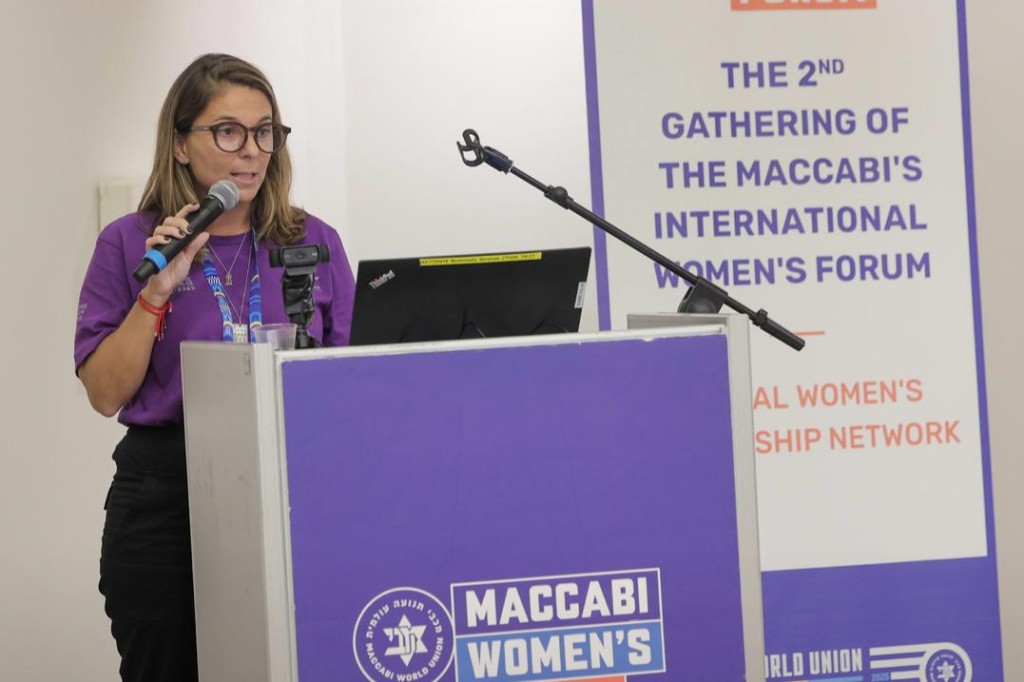 Photo credit: Ronen Topelberg