An interview with Claudia De Benedetti - MWU Acting Vice President & Co-Chair of the Educational Committee's Programs to Israel
1. What is your personal connection to Maccabi? How did your journey with Maccabi begin? What does Maccabi mean to you?
My connection to Maccabi is about belonging, identity, and the extraordinary feeling of being part of a Jewish community across borders and generations.
My personal journey with Maccabi began with sport but became something much deeper. Over the years, I came to understand that its greatest strength lies not only in medals or sporting achievements, but in its ability to create a sense of family. Maccabi brings together Jews from different countries, background, and generations, reminding us that despite our differences, we share a common history and a common future.
My first Maccabiah in 1977 remains a defining memory. The Italian delegation, headed by President Massimo Della Pergola, numbered around one hundred men and only six women. I participated in swimming and, unexpectedly, was also invited to join the women's foil team. I was not a competitive fencer, but I accepted with enthusiasm – and won a silver medal. That experience taught me that Maccabi is also about opening doors, believing in people, and creating opportunities.
For me, Maccabi is a bridge between Italy and Israel, sport and Jewish identity, memory and future. It has given me lifelong friendships, experiences, and emotions that have stayed with me throughout my life, and it has taught me the power of sport to connect people beyond nationality and differences. Above all, Maccabi has taught me that being part of a team means knowing that you never stand alone.
But perhaps the deepest meaning of Maccabi for me is Jewish pride expressed through life, energy, and action - a celebration not only of physical strength, but of spirit, resilience, and solidarity. To me, Maccabi is a home without borders: a place where sport becomes identity, identity becomes community, and community becomes a promise for the future.
2. Tell us a little about yourself and how Maccabi fits into your everyday life?
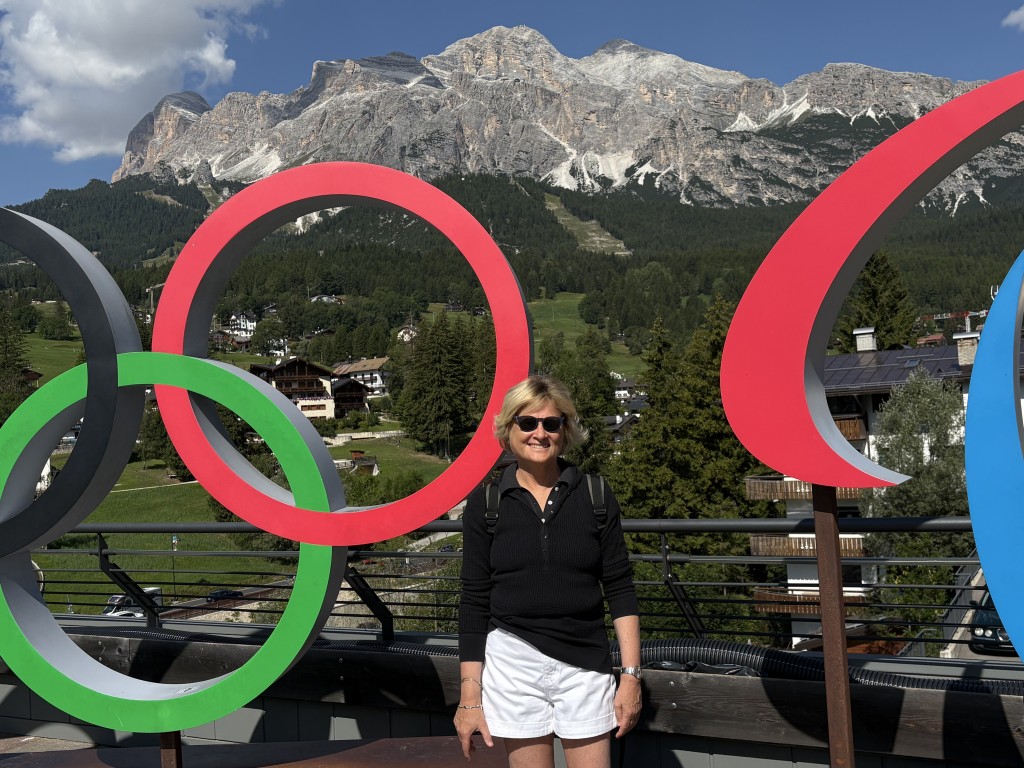
I am 65 years old, a manager, and the grandmother of seven grandchildren who live between Turin and Paris. I began swimming at the age of five and have never stopped, treating myself over the years to periods of synchronized swimming and open-water swimming, including in Lake Kinneret.
As MWU acting Vice President, Co-Chairperson of the Programs to Israel of the MWU Educational Committee directed by Rabbi Carlos Tapiero, and under the flagship program MWU Ambassadors of Truth, I am deeply and closely involved with a wide range of Pro-Israel organizations in the fight against BDS.
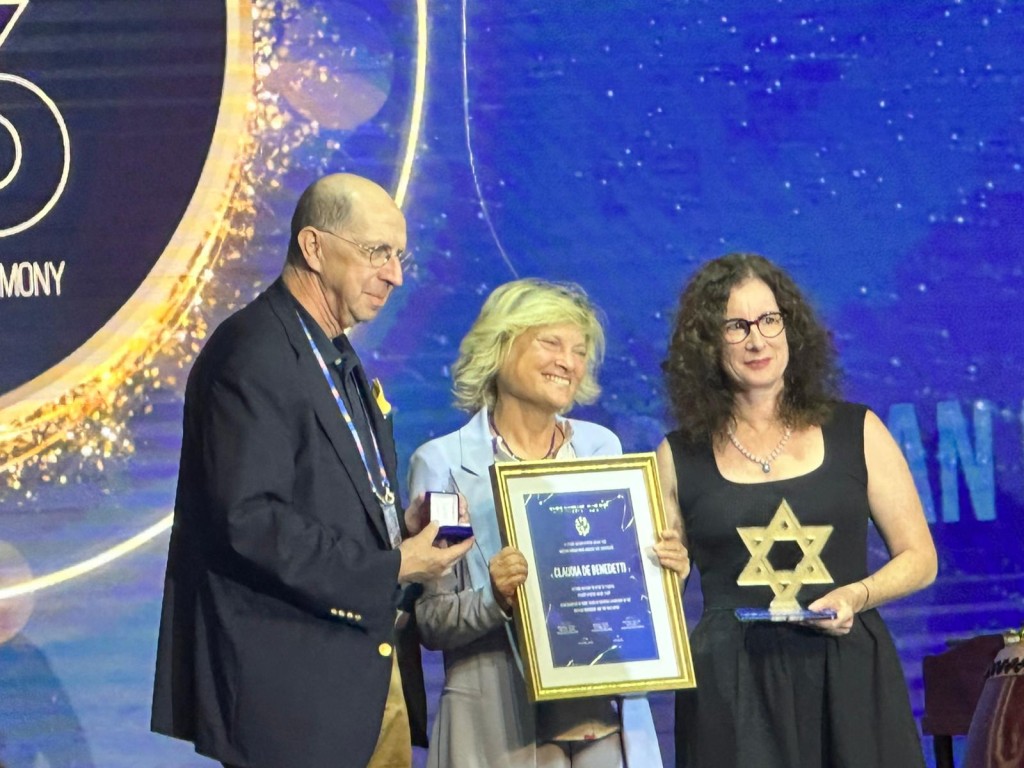
3. Congratulations on receiving the Yakir Maccabi Award this year - such a special and meaningful recognition. What did this honor mean to you personally, and what was it like to experience that moment at the ceremony?
Receiving the Yakir Maccabi Award was a wonderful, magical, and deeply moving experience for me. Having my son Marcello, my son-in-law Aaron, and my granddaughter Odelia beside me was the most meaningful way to share the Yakir with the younger generations of my family. I also had with me Italian-Israeli friends, who have accompanied me through some of the most extraordinary stages of my commitment to Maccabi in Italy and Israel, as well as friends and relatives of every age who have become part of my Maccabi family and my Maccabi friendships. Some traveled especially to be there with me, from Montreal, Melbourne, Mexico City, and Sderot, and those who could not be there in person expressed their esteem and affection for me in so many ways that I will never forget. Am Yisrael, the People of Israel, was there with me, embracing me with so much love and warmth.
4. Where do you think women are still missing within the movement?
Maccabiah 2026 saw a remarkable involvement of women in senior and operational positions carrying great responsibility. I believe that the participation of European women can and should grow even further, particularly in many sports, within the FLF, and in the precious work of Tikkun Olam that Maccabi carries out with such dedication and expertise.
5. How can the Maccabi Women's Forum improve the situation?
The creation and growth of the Maccabi Women’s Forum has been crucial, particularly since October 7. I think the Maccabi Women’s Forum can make its greatest difference by moving from representation to real influence.
The Forum can really become the engine for a new generation of female Maccabi leaders. Not only encouraging women to participate, but preparing them to hold positions in the Territorial Organizations and to serve as mentors for younger women. The real goal should be: From participation to decision-making.
6. What can women gain from being part of a global network like the Maccabi Women's Forum?
Activities in different cities provide inspiration and ideas to develop new initiatives of our own. For example, the Women’s Forum in Turin has been invited to take part in a solidarity mission to Southern Israel organized by FACCMA Argentina and the Women’s Forum of Buenos Aires.
The Maccabi Women’s Forum already includes women from worldwide communities. We can use this amazing network professionally by creating the Maccabi Women’s Business & Professional Network, with mentoring, introductions, entrepreneurship, professional exchanges, and support for women starting businesses. The Maccabi Women’s Forum can become a place where friendship becomes collaboration, and collaboration becomes opportunity.
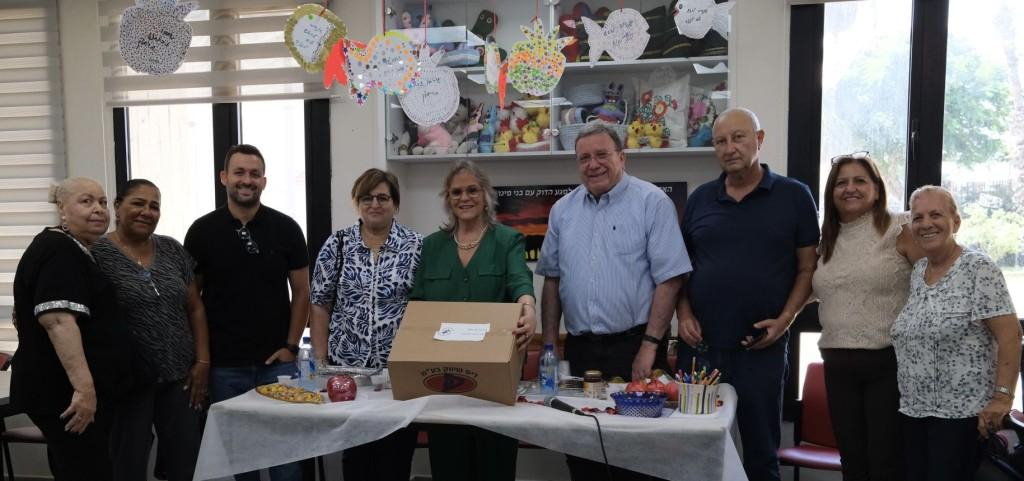
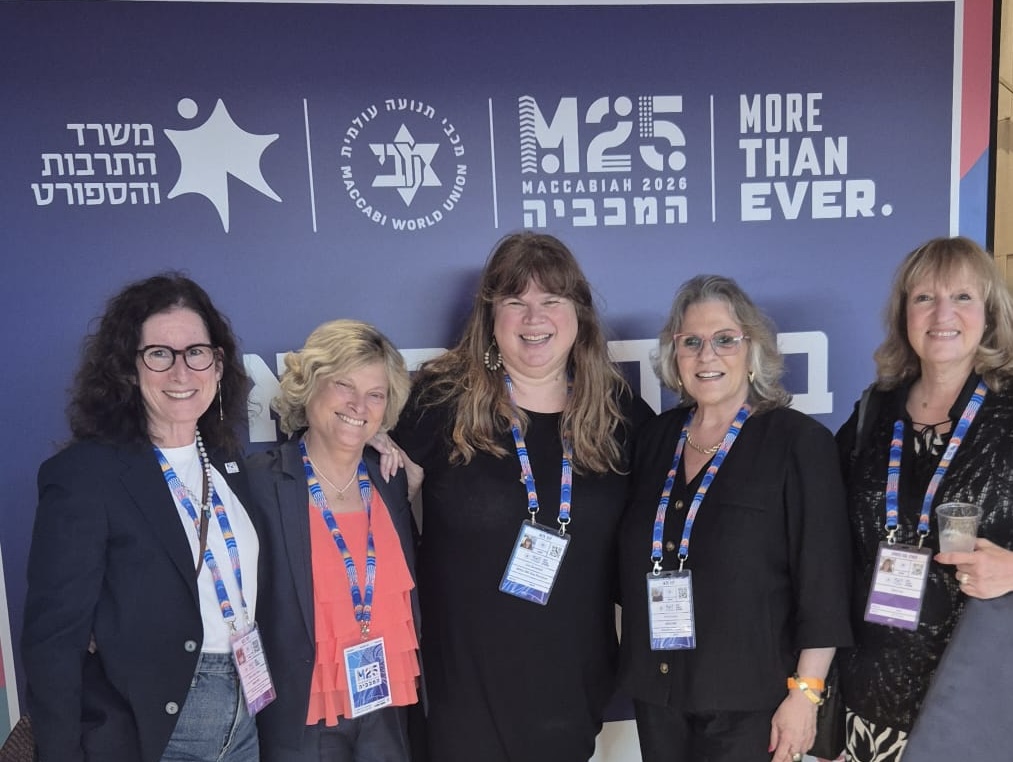 With Maccabi Women's Forum members worldwide: Orly Froman (Israel), Shirit Saks Haim (Israel), Lisa Borowick (Australia), Claudia De Benedetti (Italy), and Ellen Kafka Izso (Canada)
7. What is your personal belief?
Thanks to the Maccabi Women’s Forum, I have met women who hold highly interesting managerial and leadership positions. I believe that the professional experience of each and every one of us, when brought into the world of volunteering, is an invaluable resource. Where Maccabi gathers, community follows. No money can replace the fantastic work we do.
8. In which field would you most like to influence and bring about change?
If I had to choose three challenges, I would concentrate the Maccabi Women’s Forum on: Leadership - women must not simply participate in Maccabi; they must help lead Maccabi; Young women and sport - keep girls in sport and give them a pathway from athlete to coach to leader; Global Jewish Women’s Network – to improve the existing Maccabi Women’s Forum network into a platform for mentoring, professional opportunities, solidarity, and Jewish connection.
The Maccabi Women’s Forum can be the place where Jewish women discover their strength, develop their leadership, and use it to strengthen Maccabi and Jewish communities worldwide.