An interview with Ronit Neaman, MWU Executive Member, Chair of the Europe Desk & Co Founder of the Maccabi Women's Forum
1. What is your personal connection to Maccabi? How did your journey with Maccabi begin? What does Maccabi mean to you?
I am a third-generation Maccabi. My grandfather was one of the founders of Maccabi Ness Ziona, and my father founded Maccabi Tzair Ramla.
My story began when I was nine years old, in the Maccabi Tzair youth movement in Ness Ziona. I grew up through every stage of the movement, and Maccabi was simply our world. It was where we grew up, traveled across Israel, made lifelong friends, and learned that we could take action and truly make a difference.
In high school, I was selected for the "Bells of Peace" representative performing group of Maccabi World Union. For three years, we traveled and performed at Maccabi centers and Maccabi Games on five continents, and that was when I first truly grasped the global scale and strength of our movement.
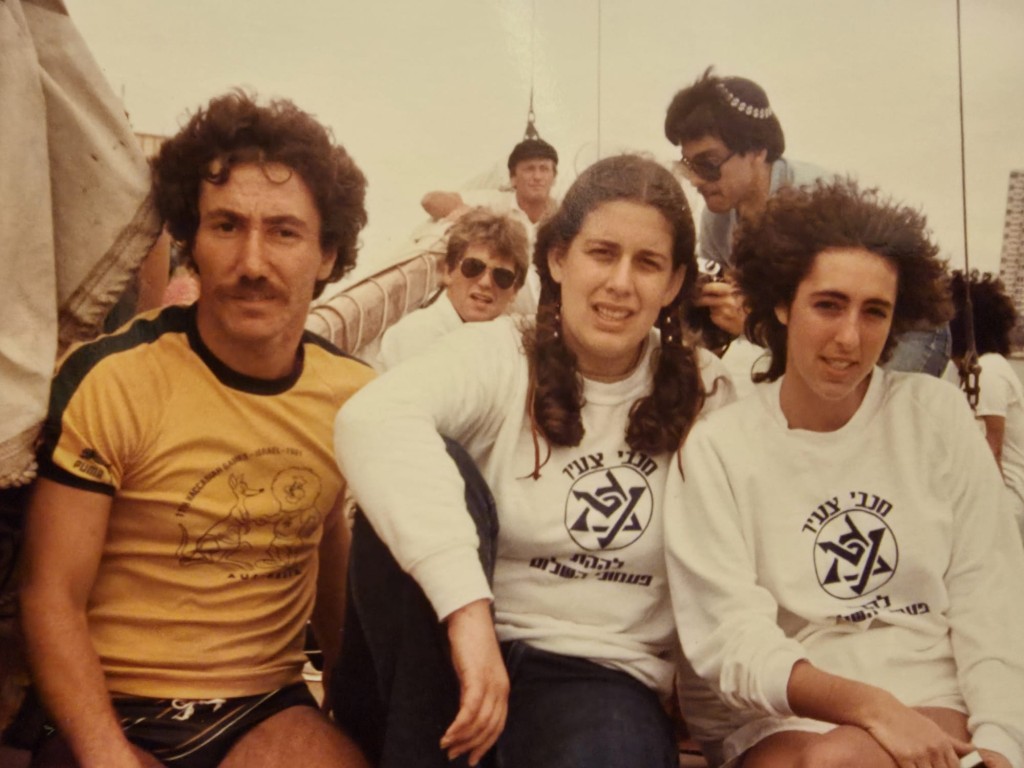 "Bells of Peace" in Australia
Right after my military service, I came back to Maccabi to run the Maccabiah Culture Department at the Kfar Maccabiah Sports Village. From there, I was involved in different initiatives and roles until I joined the Organizing Committee of the 15th Maccabiah.
As Central Shlicha in Europe, I worked with the EMC, Jewish communities, and Maccabi centers across the continent and helped shape the European Maccabi Games, where I created the first "Israel Center," which later became a tradition at the Games.
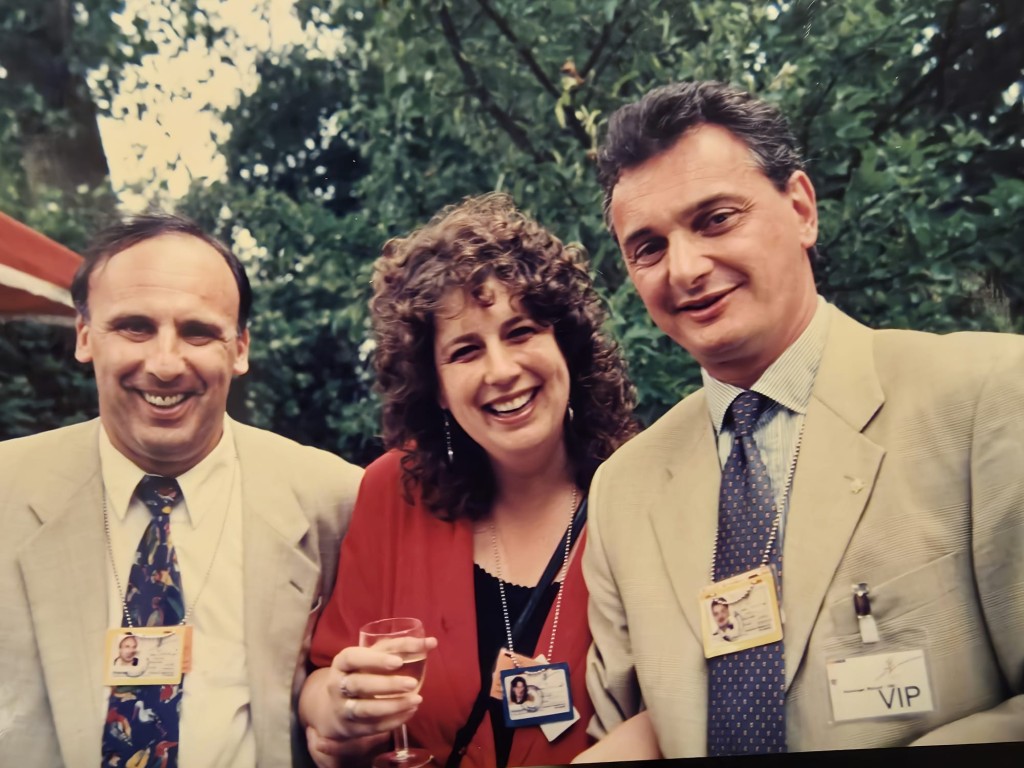 Central Shlicha to EMC
I later served as a Central Shlicha to North America, where, with Maccabi Shlichim based in five locations, we expanded Maccabi activities across the US.
Today I experience Maccabi from another perspective, as a member of the Executive, Chair of the Europe Desk, and Maccabi's representative on the Presidium of the Zionist General Council, WZO. I am most proud, however, to be one of the three initiators and founders of the Maccabi Women's Forum.
Looking back, my life has been deeply intertwined with Maccabi through its people, its values, and its sense of family. That, for me, is the heart of Maccabi: one family around the world, taking meaningful action in our own communities while belonging to something global, and strengthening the bond between Israel and Jewish communities everywhere.
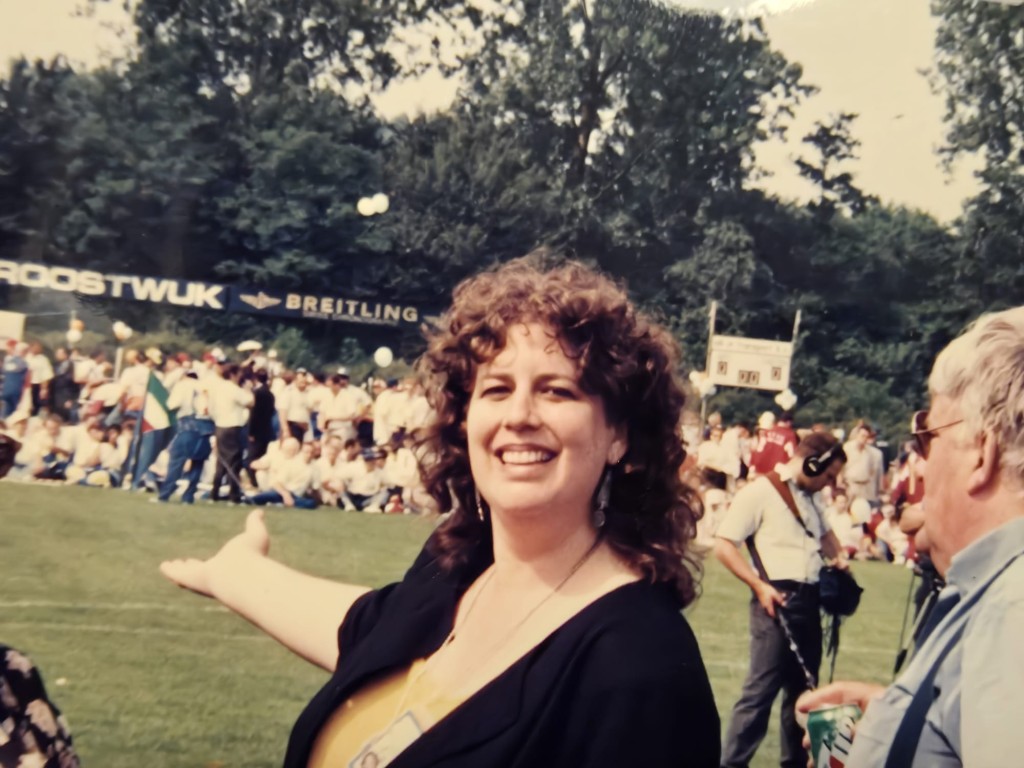 European Maccabi Games
2. Tell us a little about yourself and how Maccabi fits into your everyday life?
I am a strategist by profession, but probably an entrepreneur at heart. I love bringing ideas and people together and turning them into action, especially the moment when a connection between people begins to create something new.
That is largely what I do today as a Maccabi lay leader, across the different areas in which I am involved, including the committee that developed the movement's strategic plan for the next decade. Most of all, the Maccabi Women's Forum has become an integral part of my life. For three years, we have been building it from vision and strategy into action, doing impactful work together while forming wonderful friendships with women around the world.
3. Where do you think women are still missing within the movement?
I think the question is not only where women are missing, but where Maccabi is still not benefiting enough from everything women can bring to the table.
Maccabi has many talented and experienced women, yet the higher we move into leadership and decision-making, particularly in strategic and financial areas, the fewer women we see.
This is not only about representation. When women are missing from those tables, Maccabi misses out on experience, perspectives, and abilities that could help shape its future.
I want to see more women not only participating in Maccabi's work, but present wherever the movement itself is being shaped: leading, making decisions, managing budgets, setting priorities and influencing its direction.
A movement that wants to grow and remain relevant needs its full range of talent represented in leadership.
4. How can the Maccabi Women's Forum improve the situation?
We need to keep women's leadership on the Maccabi agenda worldwide and develop women's leadership from a young age, while expanding the circle of women gaining experience and growing into leadership roles.
Real change begins by creating opportunities. The challenge is to open more doors for women to take responsibility, lead, and influence.
I believe in the power of action to speak for itself. The more meaningful initiatives the Forum creates, the clearer the value of women's leadership becomes.
Finally, we need to use the strength of the Maccabi Women's Forum's global network, connecting women and giving them opportunities to share, learn, empower one another, and, above all, act together.
5. What can women gain from being part of a global network like the Maccabi Women's Forum?
An international network like this expands a woman's world, creating connections across countries and communities and opening doors to new perspectives, people and opportunities. It creates a global space where women can build relationships, develop initiatives, and gain experience together.
But the Forum offers more than learning and inspiration. Being part of an international network creates a greater sense of possibility and strength. It gives women the confidence of knowing that a global network stands behind them, a strength they can carry into their own leadership and action.
It also allows women to take part in diverse initiatives and international events with global significance, and to experience the power of being part of something much larger than what any one of us could do alone. The experience and confidence gained can influence every aspect of a woman's life, extending far beyond her role within Maccabi.
6. What is your personal belief?
I believe in people and in their ability to grow, create, change, and do far more than they sometimes think is possible.
I also believe deeply in the power of a group and in what becomes possible when people come together around a shared purpose. I believe in mutual responsibility, Arvut Hadadit, a value essential to Jewish life and Israeli society. Standing by one another and taking responsibility for one another are fundamental to our strength and our future.
That is why I tend to ask not only what exists now, but what else could be: What can we build? Who can we connect with? How can we turn difficulty into opportunity?
I believe we all need to live meaningful lives, to make an impact, contribute, and belong to something larger than ourselves. Maccabi and the Maccabi Women's Forum give us the opportunity to turn these beliefs into action. Mutual responsibility, connection, and meaningful action are at the heart of both.
7. In which field would you most like to influence and bring about change?
I would like to continue advancing women's leadership across Maccabi and creating meaningful initiatives through the Maccabi Women's Forum. I believe meaningful action demonstrates the value of women's leadership and opens more doors for women to influence, lead, and take on key roles. I also want to strengthen the two-way relationship between Israel and Maccabi Women's Forums and communities worldwide.
As part of Maccabi's strategy work, we introduced the Maccabi Journey Experience: turning encounters with Maccabi at different life stages into a continuing journey in which every experience opens the door to the next, every connection leads to action, and every action helps shape the person who will carry Maccabi forward. I would really like to work on turning a person's connection with Maccabi - from a single encounter into a lifelong journey of belonging, action, responsibility, and leadership.