"In the midst of deep grief, I chose to be the smile and a source of stability"
A special interview with Liat Leiba, Managing Director of Kfar Maccabiah Hotel and Conference Center, reflecting on two years of leadership during wartime.
1) Tell us about yourself and your personal connection to Maccabi. How did your journey with Maccabi begin?
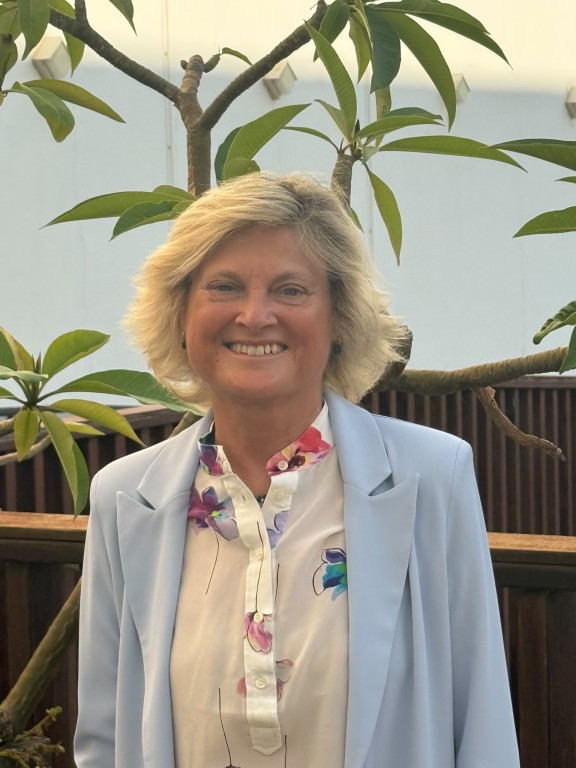
My name is Liat Leiba. I am a mother of two grown children, ages 32 and 23, and I live in Netanya. I hold a bachelor’s degree in Law and Business Administration and am a certified mediator and arbitrator.
Before joining Maccabi, I spent 30 years at Yedioth Ahronoth, Israel's leading daily newspaper, where I held senior management roles. Alongside this, I also worked independently, supporting small and medium-sized businesses, including leading national initiatives such as the 'Accompanying Small Businesses to Success' program in partnership with Bank Hapoalim.
Beyond my professional background, I am deeply connected to people, to Israel, and to nature. I chose the field of mediation and arbitration because I genuinely enjoy helping people find solutions. I also volunteer with Mentor for Life, a nonprofit organization that supports discharged lone soldiers as they build their lives and strengthen their sense of belonging and Zionism.
My journey with Maccabi began in June 2023, when I was approached by Kfar Maccabiah and asked to assess the future of its Conference Center. I accepted a three-month challenge to evaluate its potential and quickly recognized its viability and the opportunity for meaningful growth, initiating significant changes.
Then October 7 came - and everything changed. With the outbreak of the war, Kfar Maccabiah became a home for evacuees. Together with Galil Itzhaki, then VP of Operations, we managed a complex, around-the-clock effort - from accommodation, catering services, and education to leisure activities, clothing, logistics, and community support.
Following this experience, I was asked to lead both the Conference Center and the Hotel. I saw it as a national mission - and immediately said yes.
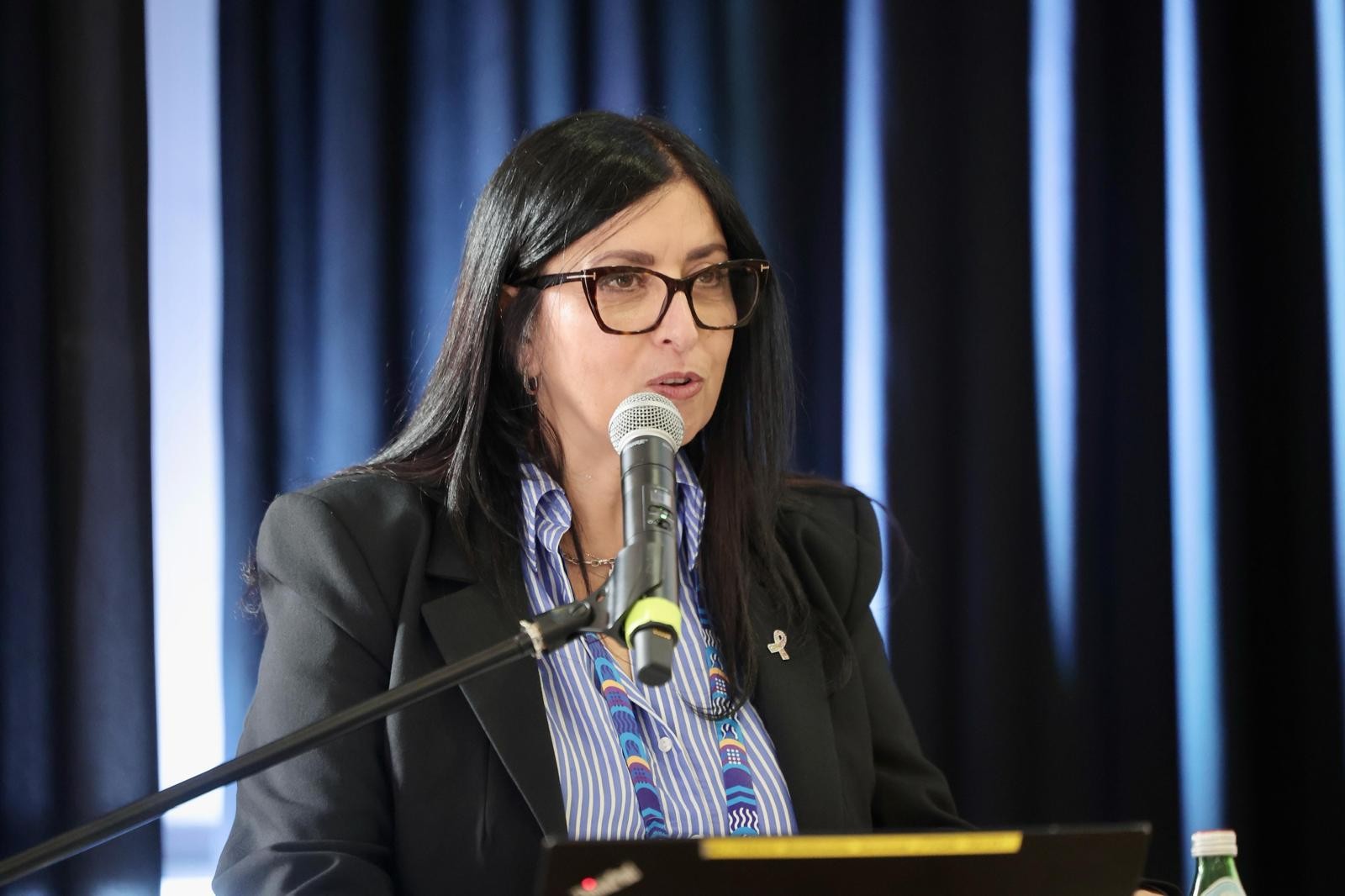 Photo credit: Ronen Topelberg
2) What did your daily life look like during this complex period, and how did you cope with the unimaginable challenges it brought?
From the very first days of the war, Kfar Maccabiah shifted into emergency mode. We opened our doors to thousands of evacuees from Israel's south and north, as well as soldiers, reservists, and later, released hostages and their families.
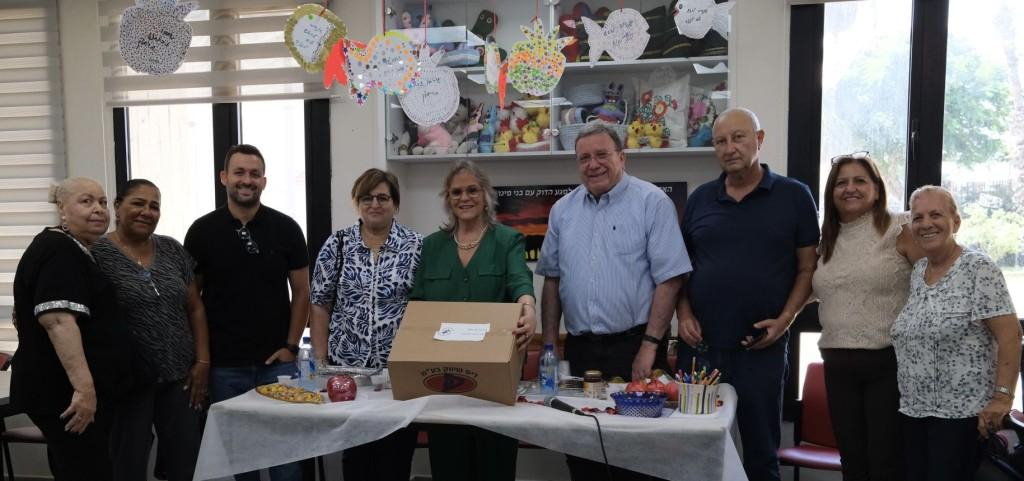
From November 2023 until today, every released hostage passed through Kfar Maccabiah. A special civilian-military coordination team operated from my office, working closely with the Hostages’ Headquarters. This is where we first learned who was about to be released and which families were on their way to us. Absolute discretion was maintained throughout. From here, families traveled to Re’im to reunite with their loved ones, and later returned to Kfar Maccabiah to begin the long process of recovery.
Some former hostages and their families are still with us today, including Sasha and Elena Troufanov, Yarden Bibas, and Rom Braslavski, among others. They continue to receive sensitive, individualized care through close cooperation between military and civilian teams, much of which happens quietly behind the scenes.
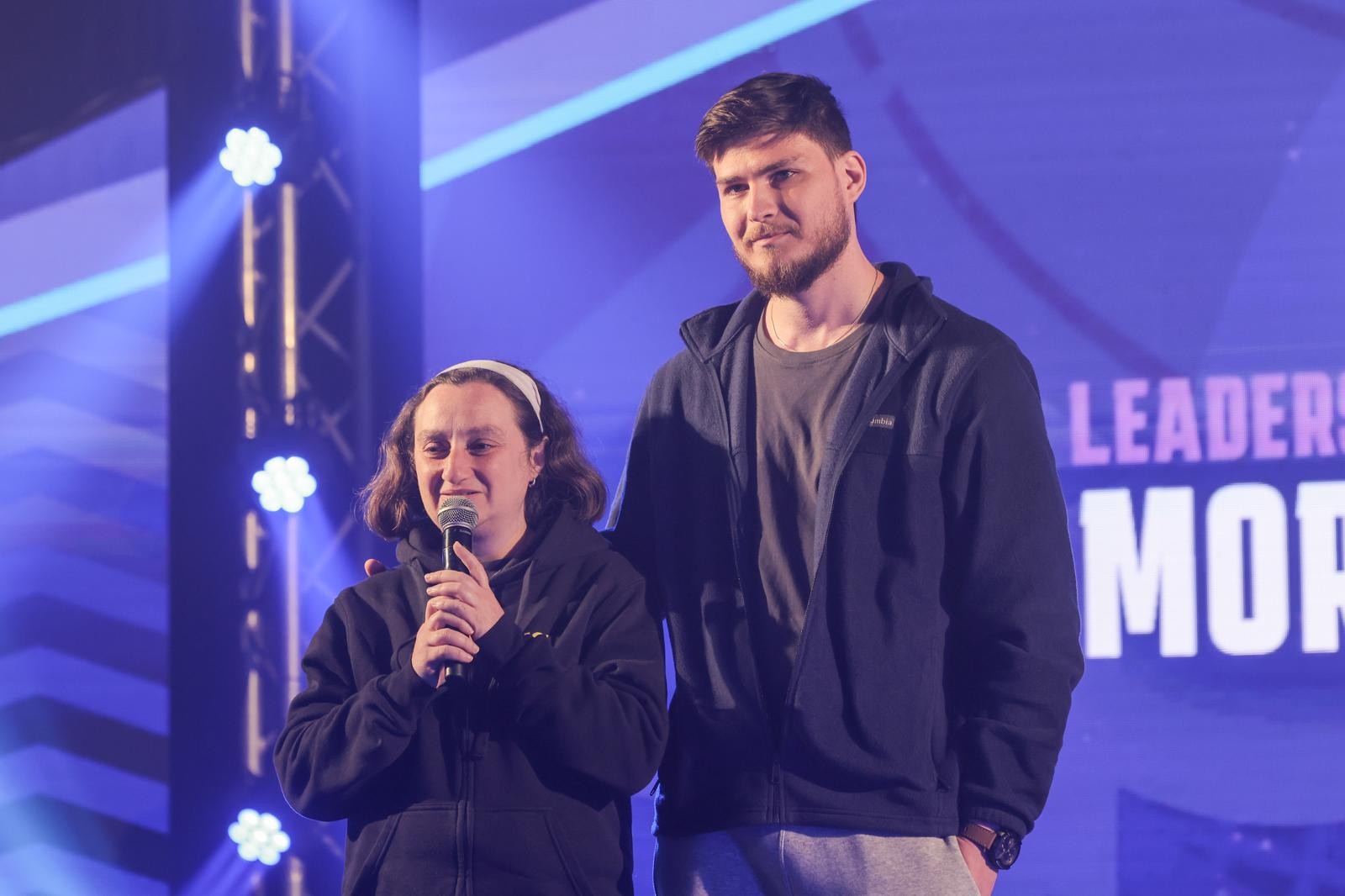 Sasha and Elena Troufanov at the MWU Annual Congress at Kfar Maccabiah; Photo credit: Ronen Topelberg
During this period, we also established Israel’s first glamping complex, designed specifically for healing retreats for Nova festival survivors. We set up 20 tents in the Sports Club area and hosted hundreds of participants across several cycles.
More than 40,000 soldiers passed through Kfar Maccabiah for processing and decompression days. We experienced everything - including hosting Shiva (the Jewish mourning period) for fallen hostages who were returned for burial.
On a personal level, I approached this time as if I had received an emergency call-up. I chose not to fully expose myself to the horrors and did not visit places like Be’eri or Kfar Aza. I worked with focus and clarity, because that was the only way I could truly be present, help others, and survive the intensity myself.
I remember a moment when the mother of a released hostage asked me to close off an entire hotel floor for her daughter and the women who returned with her from captivity. I agreed immediately, without asking questions. Only later did I understand what they had been through - and I know that had I heard those stories at that time, I might not have been able to function.
Today, I receive countless messages of gratitude from families. They arrived here broken, terrified, and overwhelmed. For them, I became a place of stability. Amid deep and justified grief, I chose to be the smile, the light, and a source of hope. It is a privilege I will carry with me for the rest of my life.
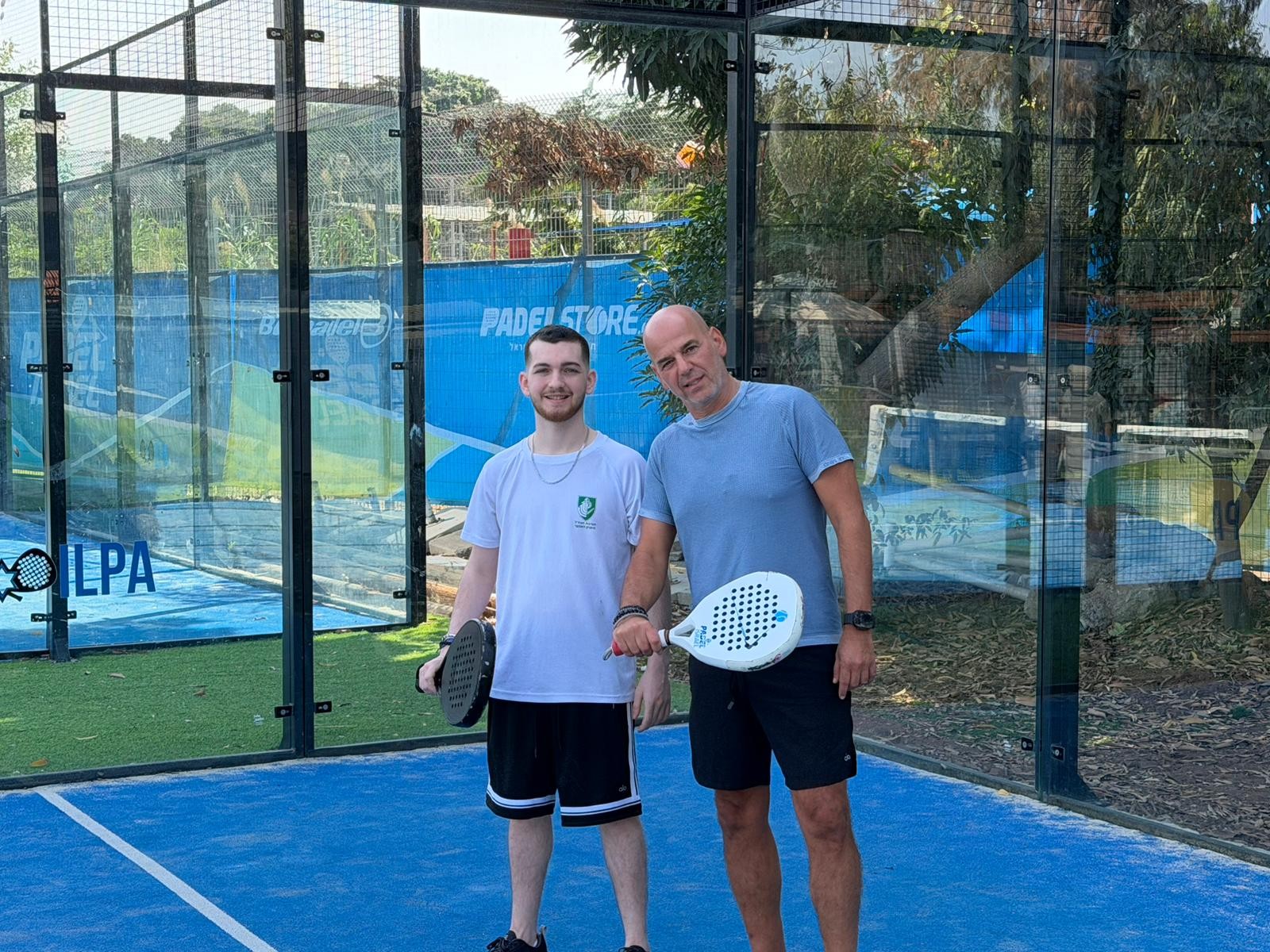 Released hostage Bar Kuperstein at Kfar Maccabiah
3) In which additional areas would you most like to make an impact and drive real change?
Until April 2024, Kfar Maccabiah hotel operated at full occupancy while serving as a home for evacuees. Once that chapter came to an end, we immediately began a full refurbishment of all guest rooms, and by Passover 2024 the hotel had fully reopened to guests. Despite the ongoing war, 2024 also became our strongest year ever for conferences.
Over 2,200 Jewish Agency shlichim have already completed their pre-mission training at Kfar Maccabiah, with an additional 1,800–2,000 expected this year alone. Through this work, one of my key insights was understanding that the Conference Center and the Hotel function as one interconnected ecosystem. Today, we operate accordingly - hosting conferences that include accommodation, integrating sports activities through the Sports Club, and creating complete, meaningful experiences.
As a leader, I constantly look at the bigger picture - the values this place represent and its deep Zionist spirit. For example, every hotel guest now receives a complimentary tour of the Jewish Sports Museum as part of their stay. For me, this is a clear expression of our Jewish identity and shared purpose.
In July 2024, we launched our largest summer campaign to date, resulting in an unprecedented season at Kfar Maccabiah. It revealed the full potential of this place: not only our ability to host guests for extended periods with a full support system, but also the unique experience we offer - a central and accessible location, green open spaces, proximity to parks and the Safari, a renewed Sports Club, outstanding facilities, and rich content for all ages. From night swimming and heated pools to movie screenings, climbing walls, water attractions, and upgraded culinary offerings, guests enjoy an experience they cannot find anywhere else in Israel - one that makes them want to return again and again.
Our success is rooted in something simple but powerful: we do everything with care and love. Our team is exceptional, united by a shared language of service, responsibility, and positivity. We see every guest as an individual and tailor each experience to specific needs. This human-centered approach is what fulfills me most as a leader.
I bring my professional and legal background into every aspect of my work, especially when challenges arise. Today, our litigation rate stands at zero - not because there are no issues, but because we resolve everything through dialogue and respect. This approach builds trust, long-term relationships, and genuine appreciation.
Looking ahead, I believe that 2026 will be a year of renewed growth. With major challenges behind us, we are opening new doors and welcoming new Israeli and international audiences - families, organizations, youth movements, sports groups, tournaments, and summer camps. Kfar Maccabiah is becoming a home people choose to return to for every stage of life and every type of activity, and I am deeply committed to expanding this impact even further.
With 269 hotel rooms and an entire suites wing, Kfar Maccabiah has the potential to become the natural home base in Israel for family milestones - from Shabbat Chatan to celebrations and gatherings of all kinds. My goal is for people in Israel and abroad to feel that coming through Kfar Maccabiah is simply the natural choice.
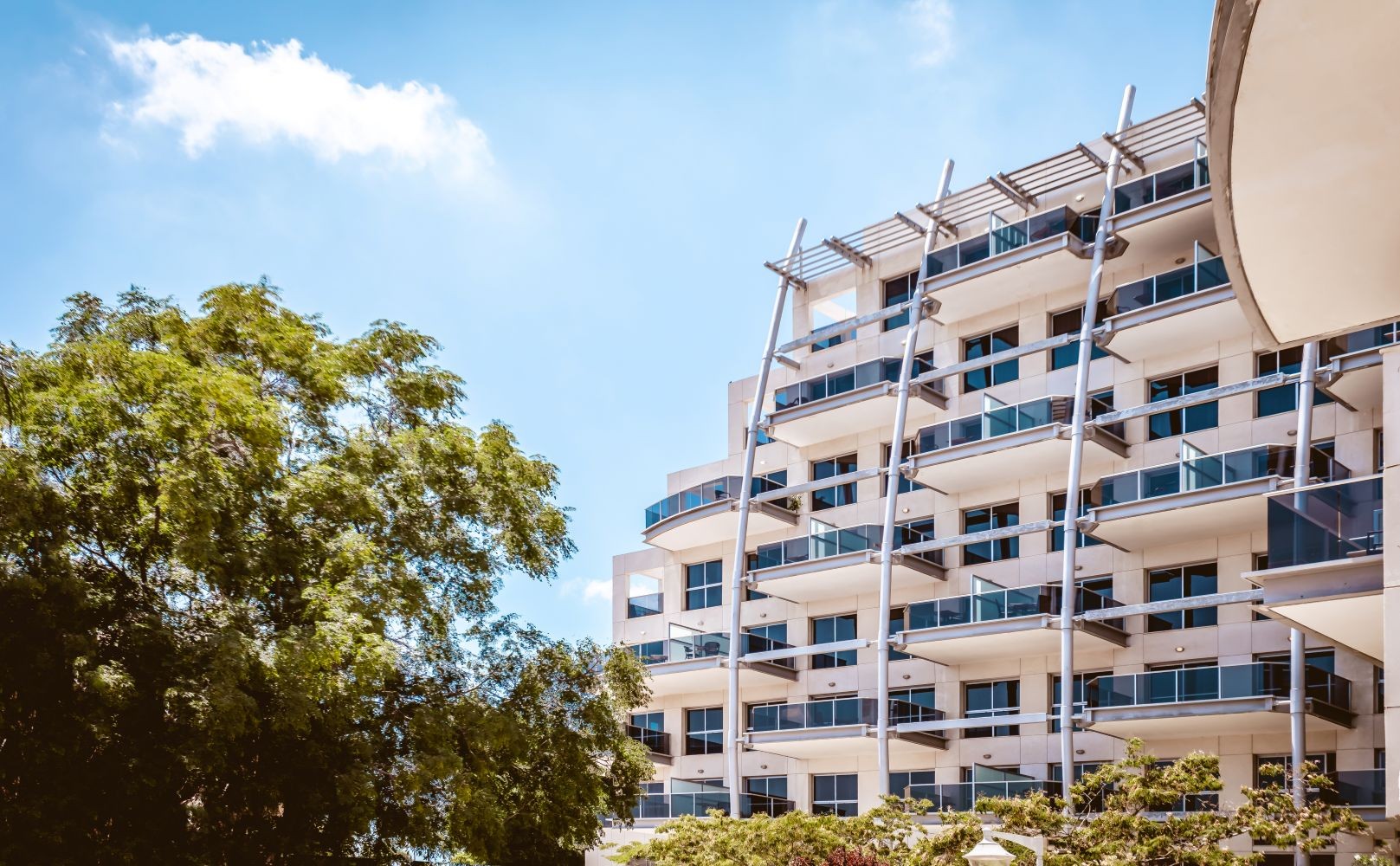
At the same time, we recognize there is more important work ahead. Renovating the hotel rooms is our next major mission, ensuring a truly complete guest experience.
As a senior woman leader, my aspiration is to drive change by building systems grounded in values, empathy, and excellence - turning complex realities into opportunities and creating spaces that foster connection, identity, and belonging. I deeply believe in Maccabi, its values, and Kfar Maccabiah - and most of all, in our ability to turn the impossible into possible, not as a slogan, but as a way of life.
4) In which areas do you believe female leadership is still lacking, and how can this be changed?
In my view, female leadership is still underrepresented in senior decision-making roles, particularly in large organizations and in systems that have traditionally been male-dominated. This gap does not stem from a lack of capability, but rather from long-standing cultural patterns, organizational norms, and, sometimes, internal barriers women place on themselves.
I strongly believe in the power of female leadership. Women often bring intuition, emotional intelligence, and the ability to navigate complexity - qualities that are essential for effective leadership, especially in times of uncertainty. In my own professional environment, I am fortunate to be surrounded by strong female leaders. At Kfar Maccabiah, all of our sales managers are women, and many key leadership roles within the hotel are held by women.
That said, I do not hire or promote people based on gender, but on professionalism, values, and organizational fit. One example that reflects this approach is our hotel’s front office manager, whom I hired while she was in her fifth month of pregnancy. I saw her professionalism, energy, and strong alignment with our organizational DNA, and had no doubt she was the right choice. We built a plan that allowed her to work for several months, take maternity leave, and return to her role afterward - a decision I am very proud of.
I also believe that in many cases, the glass ceiling is internal rather than external. Earlier in my career at Yedioth Ahronoth, a highly male-dominated organization, I was the only woman in the most senior role - largely because I never accepted the idea that a glass ceiling applied to me. To a great extent, it is a matter of mindset and self-confidence.
To create real and lasting change, we need both systemic responsibility and personal courage. Organizations must actively foster inclusive cultures that identify and promote female talent, while women must believe in their abilities, speak up, and allow themselves to aim higher.
5) How do you believe women can benefit from being part of a global leadership network such as the Women’s Forum, and what is your personal vision for the Forum?
In my view, the Maccabi Women’s Forum is truly remarkable. It has already proven its strength, capabilities, and global impact - successfully generating international awareness and meaningful discourse through initiatives such as 'Women Speak Up' campaign, launched to raise awareness of Hamas's sexual violence against women and men on October 7th, as well as additional global efforts focused on the immediate release of all hostages and the advancement of women's leadership through dedicated gatherings. I am confident this is only the beginning.
I deeply admire and appreciate the Israeli women leading the Forum. I first met members of the Maccabi Women’s Forum from around the world during the Maccabi Congress following October 7, when they stayed at Kfar Maccabiah. Each of them impressed me with her dedication, strength, and sense of purpose, and I truly believe that their potential and impact know no limits.
Being part of a global leadership network like the Women’s Forum allows women to gain strength through connection, shared purpose, and collective voice. It creates a powerful space for mutual support, influence, and the ability to transform local action into global impact.
As part of my personal vision, I believe that Kfar Maccabiah should also stand at the heart of the Women’s Forum. Women around the world should know that this is their home in Israel - whether they are coming for a vacation, a family event, or a business visit. It is a place that offers solutions, support, and a sense of belonging, at any time and for every need.
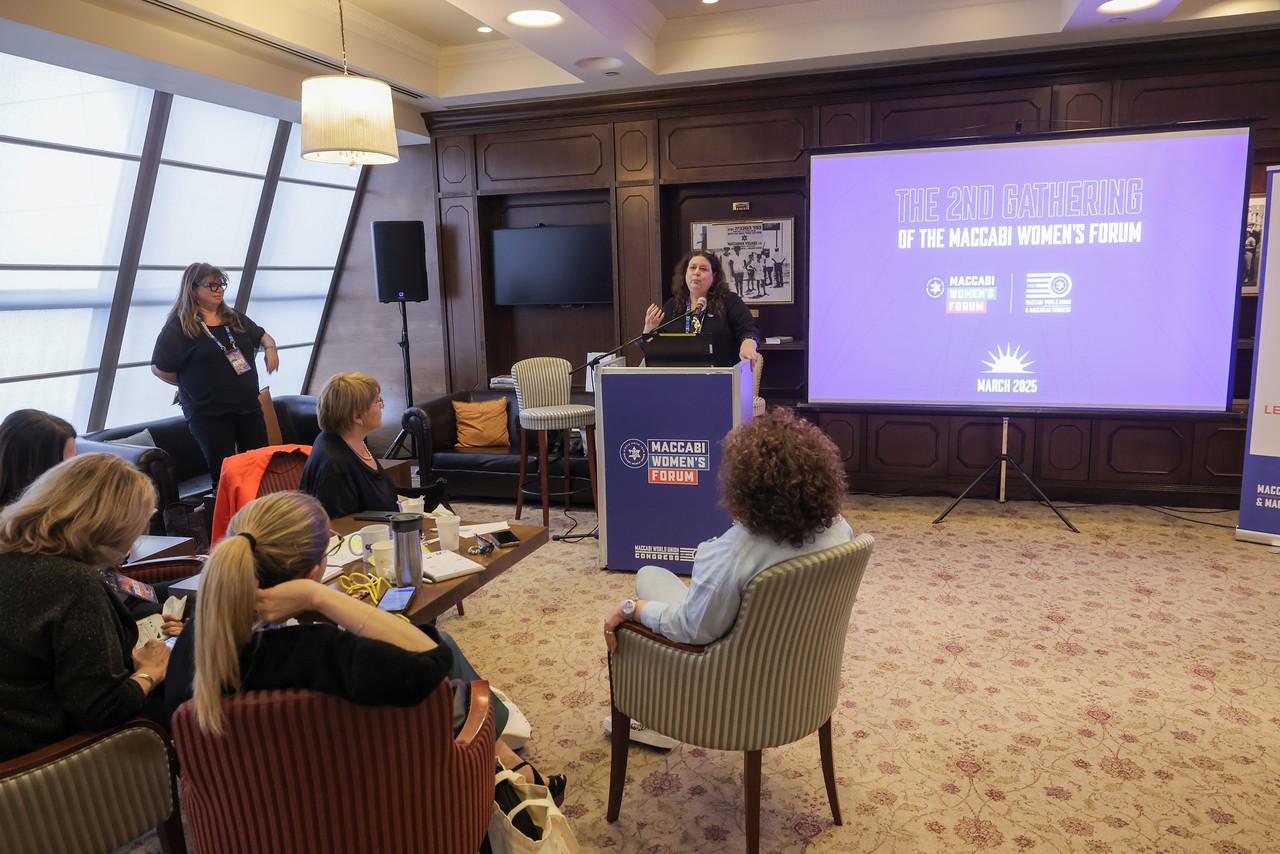 Maccabi Women's Forum gathering at Kfar Maccabiah
6) What is your personal belief?
I deeply believe that the more you give, the more you receive. I also truly believe in doing what you love - not as a slogan, but as a way of life. Love and passion are contagious. When you lead with genuine enthusiasm, your teams begin to reflect it, and your guests and partners feel that energy as well.
I see our guests as our greatest ambassadors to the world. The experience they receive at Kfar Maccabiah is something they carry forward and share, which is why it is our responsibility to ensure they receive the very best - always.
Beyond that, I believe in constant learning, self-improvement, and the willingness to reflect and do better next time. My vision is for Kfar Maccabiah to be open to all communities - every day, all year long. There is still much to be done. We can open new doors and reach new audiences we have never worked with before, and I truly believe in this path and in our ability to make it a reality.